
Introduction
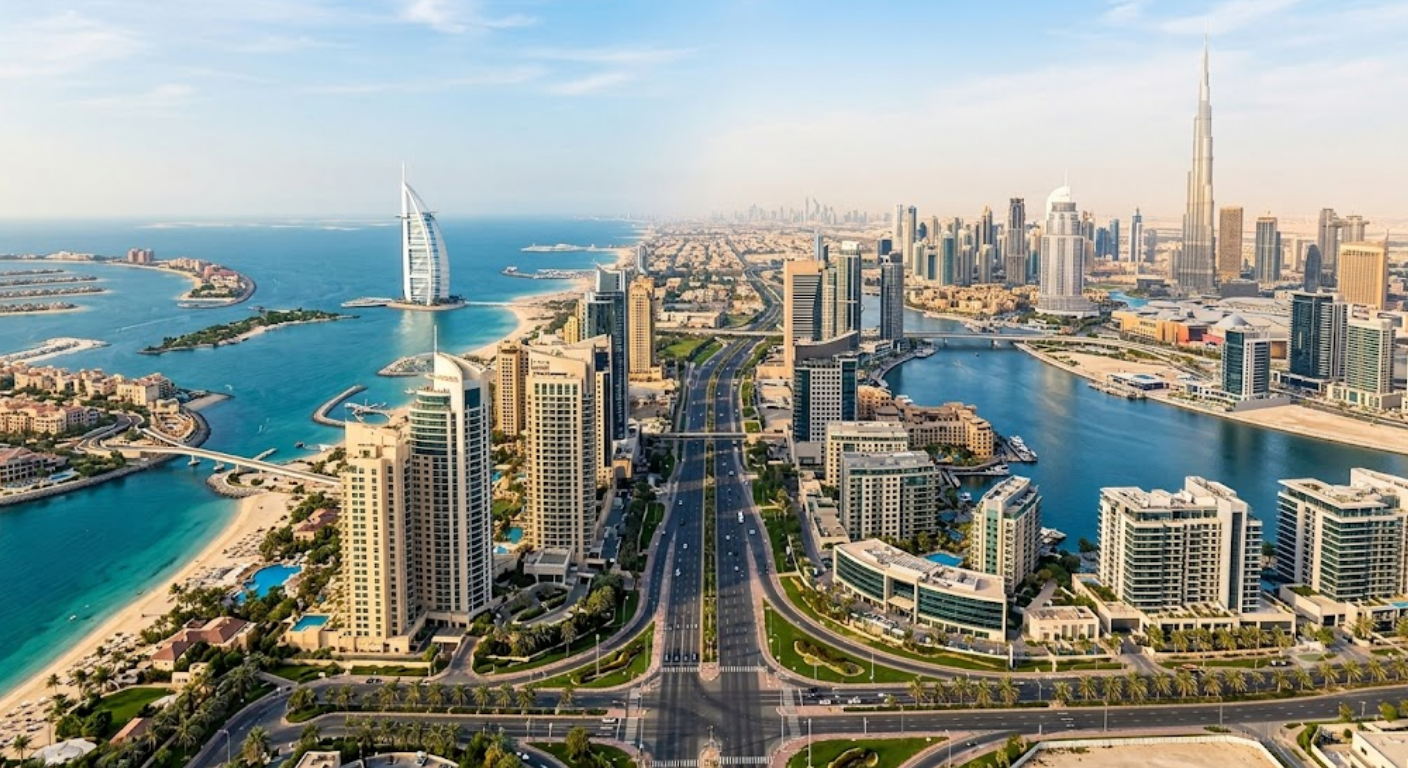
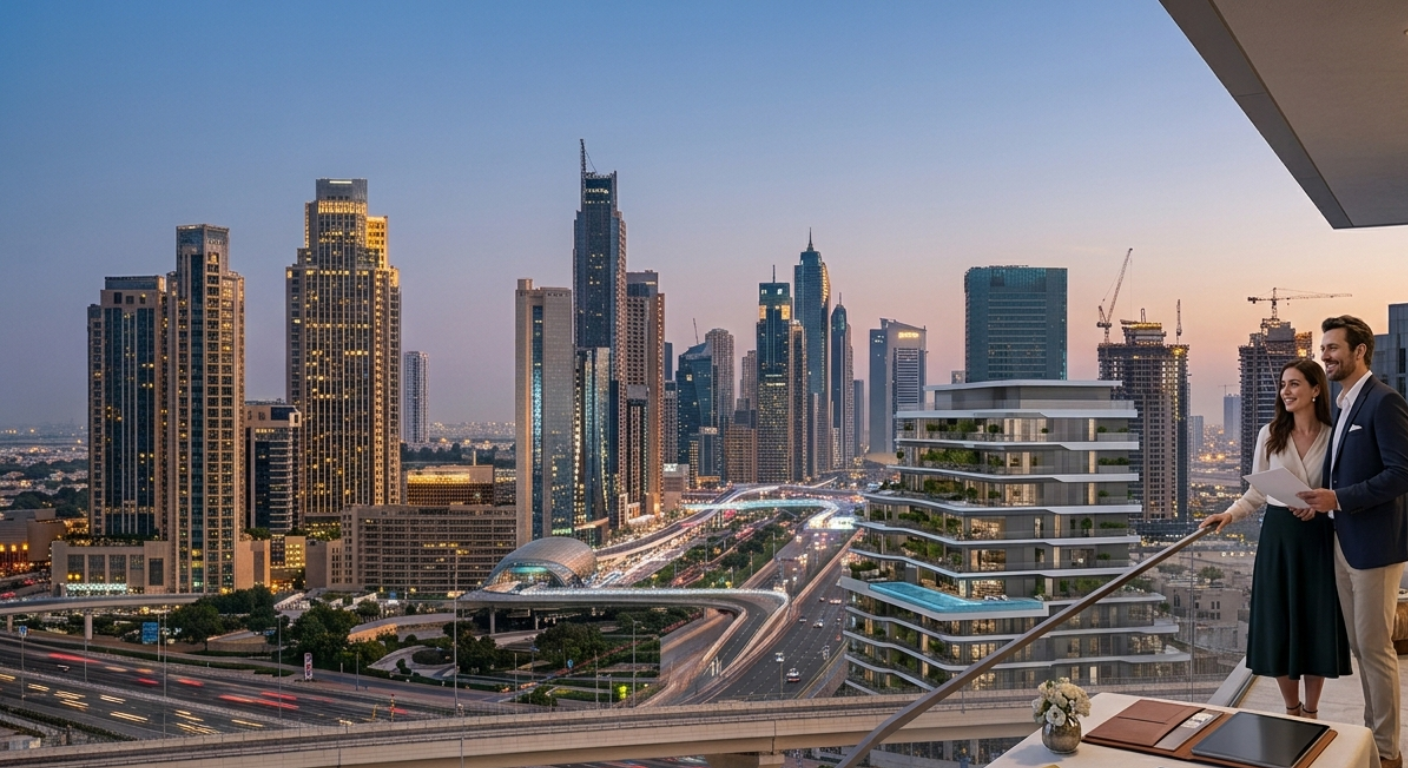
In an era marked by global uncertainty, the real estate sector in the United Arab Emirates stands out as a beacon of stability, growth and strategic opportunity. From booming tourism and infrastructure investments to pro-investment reforms and global connectivity, the UAE property investment market offers a compelling value-proposition for investors looking to balance risk and reward. In this article, we explore the major factors that make the UAE a top property investment destination in 2025 and how you can leverage them.
1. Economic & Demographic Tailwinds
The UAE’s economy continues diversifying beyond oil, broadening into tourism, logistics, finance, and technology. According to a recent report from Deloitte, the real-estate sector in Dubai alone benefits from a growing population, increasing tourist arrivals and resilient GDP growth.
Meanwhile, the property market saw strong transaction activity: for example, in Q2 2025, residential property values jumped nearly 14% year-on-year in key emirates.
These dynamics underscore that demand drivers are real and sustainable making property in the UAE much more than a short-term play.
2. Investor-Friendly Regulation & Ownership Rights
One of the strongest draws of UAE real estate is the regulatory and legal framework that facilitates foreign investment. International buyers can own properties in designated freehold zones, gaining full ownership rights without local sponsorship, a major advantage compared to many global markets.
Moreover, reforms such as regulated escrow accounts, transparent off-plan payment structures, and enhanced investor protections have strengthened the market’s credibility and reduced speculative risk.
For the investor who values certainty and clarity, the UAE’s property framework offers a strong base.
3. Tax Advantages & High Potential Returns
Unlike many global property markets, the UAE offers a tax-favourable environment for property owners: no income tax on rental income, no capital gains tax (in many cases) and no annual property tax in many emirates.
Combined with strong rental demand and capital appreciation, this makes the yield-equation particularly attractive. According to data, rental yields in prime areas can sit higher than many western markets, while property values continue to appreciate.
For investors focused on long-term value rather than speculation, these numbers count.
4. Strategic Location & Lifestyle Infrastructure
The UAE is a global hub connecting East and West which creates structural demand for real estate, both for residents and investors. Its world-class infrastructure, cosmopolitan lifestyle offering and lifestyle amenities make it a magnet for high-net-worth individuals and international tenants.
Add to that large-scale mega-projects (airports, new cities, waterfront developments), and you have an ecosystem designed to enhance property value through both usage and prestige.
5. Growth Potential & Moderated Supply
Even with increased construction activity, the UAE’s real estate market shows signs of discipline and structured growth. As referenced in the William Blair analysis, although new units are coming to market, structural reforms and demand fundamentals are helping prevent oversupply-led downturns seen in previous cycles.
With delivery pipelines under control and demand from both residents and investors remaining strong, the environment is set for value capture rather than listless price stagnation.
6. Risks to Consider & How to Mitigate Them
Nothing is risk-free and property investment in the UAE has its share of considerations:
- Oversupply risk: Some segments (especially off-plan) are seeing high pipeline volumes, so location, developer credibility and product quality matter more than ever.
- Market cycles: While regulation has improved, the sector is still subject to economic or regional shocks.
- Due diligence needed: Even in a robust market, understanding payment plans, escrow protections, handover timelines and developer reputation is crucial.
Tip: Mitigate risk by choosing well-located projects, reputable developers, attractive payment plans and ensuring property registration/ownership rights are crystal-clear.
7. Investment Strategy for 2025 & Beyond
Here’s a pragmatic guide to harnessing the UAE property opportunity:
- Define your goal: Are you investing for rental yield, capital appreciation, residency benefits or a combination?
- Focus on location: Established lifestyle hubs and upcoming zones both offer opportunities, balance price-entry with long-term demand.
- Leverage payment plans: Many off-plan projects offer flexible payment schedules, allowing you to optimise cash-flow.
- Understand exit/ rental strategy: If renting out, check expected yields, vacancy rates and resale potential.
- Stay compliant: With increasing scrutiny on AML/KYC in UAE real estate, ensure funds’ source and documentation are valid.
Conclusion
For savvy investors seeking a balance of growth, stability and global lifestyle appeal, the UAE’s real estate market presents one of the most compelling plays in 2025. With strong economic fundamentals, investor-friendly regulation, tax advantages, strategic global positioning and increasing transparency, the environment is fit for both active investors and long-term wealth builders. By doing your homework and making informed choices, you can tap into a market where everyday living, global connectivity and investment returns align.
Ready to explore the best opportunities? Connect with Tashirz today and start your UAE property investment journey with confidence.
FAQs
1. Is the UAE real estate market a good investment in 2025?
Yes. The UAE continues to offer strong rental yields, tax-free returns, high demand from expats, and consistent capital appreciation. Major reforms, mega-projects, and investor-friendly policies also contribute to making 2025 a favourable year for property investment.
2. Which city in the UAE is best for property investment right now?
Dubai remains the top choice due to high rental demand, global connectivity, and strong returns. However, Abu Dhabi, Sharjah, and emerging areas like Ras Al Khaimah (especially Al Marjan Island) are rising as attractive options due to affordability and waterfront developments.
3. Can foreigners buy property in the UAE?
Yes. Foreigners can own freehold properties in designated zones across Dubai, Abu Dhabi, and other emirates. They receive full ownership rights, and in many cases, eligibility for long-term residency visas depending on investment value.
4. What are the expected rental yields in the UAE for 2025?
Rental yields typically range between 5%–9%, depending on the location and property type. Prime areas and well-planned communities, especially waterfront and luxury zones, often deliver higher returns.