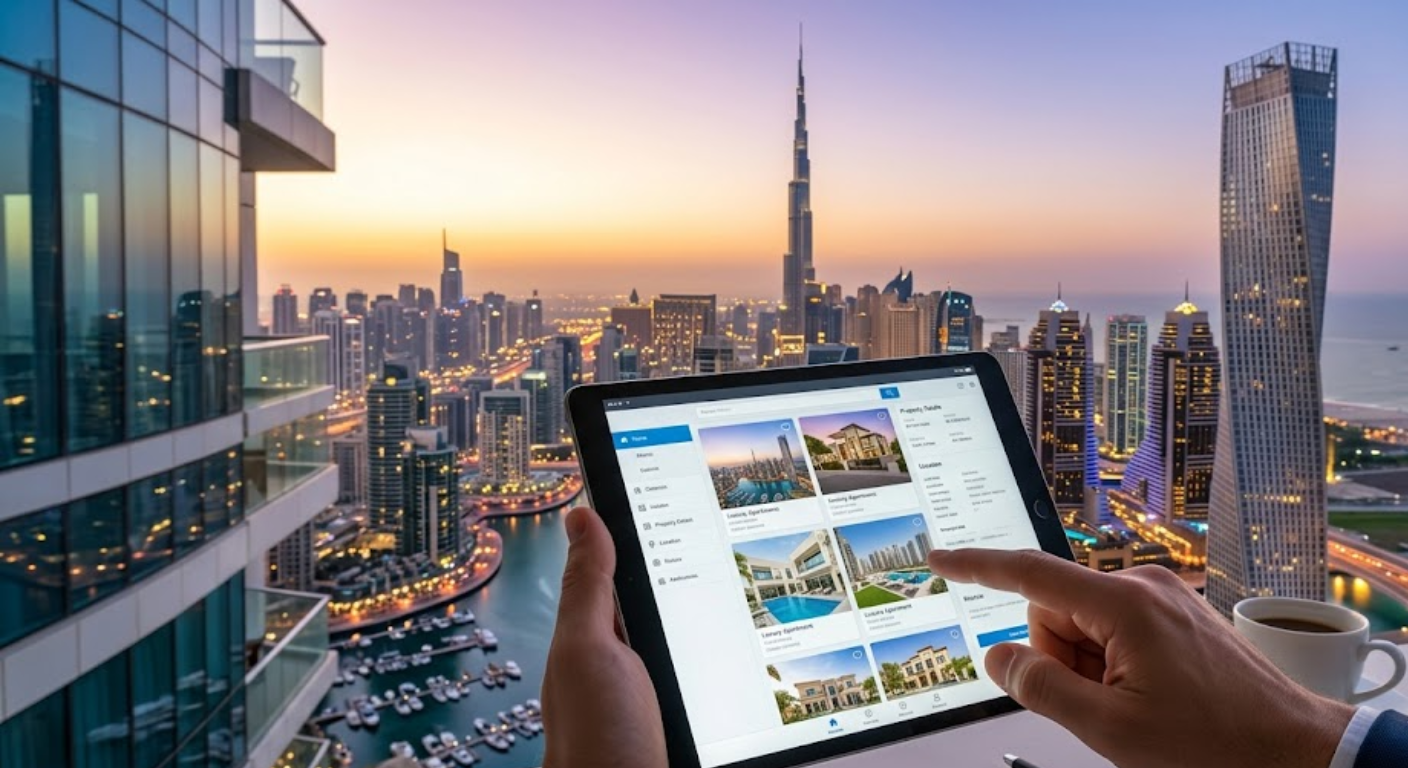

Dubai has become a hot destination for global property purchasers wishing to buy their new home, second home, or an investment property. A benefit for foreign purchasers is that non-residents can buy properties in certain proprietary areas in Dubai without the need for residency in the UAE.
However, it is important to understand that purchasing properties overseas involves more than merely selecting a property through the Internet. Foreign investors must know where they can buy properties, how the purchasing process works, the costs involved in the purchase, and how securely the transaction must be conducted.
In this guide, the main steps of real estate acquisition in Dubai by foreign buyers will be covered.
Can Foreigners Buy Property in Dubai?
Indeed. It is possible for non-citizens to acquire property in specified freehold regions within Dubai. According to the Dubai Land Department (DLD), overseas property ownership is permissible in freehold regions, but there may be some restrictions for foreign property ownership in non-freehold regions.
This means that overseas buyers are not required to be residents of Dubai or possess UAE residency visa in order to purchase a freehold property.
It is therefore paramount that buyers confirm that the specific property they are considering can be purchased freehold.
Why Do International Investors Consider Dubai Property?
Dubai draws investors from various international markets based on what they want to achieve. Foreign investors can invest in Dubai property for:
- A vacation or second home
- Long-term investment in property
- Receiving rental income
- Diversifying their investment portfolio
- Consideration for relocation
- Becoming part of Dubai’s expanding business and lifestyle environment
The choice of the right property will depend on the investor’s budget and time of ownership, intended location, property type, and the objective of investment.
Step 1: Define Your Budget and Investment Objective
Before viewing any individual properties, it is important to first figure out what amount you are comfortable investing.
When budgeting, keep in mind that there will be other associated costs other than just the property price. In a real estate transaction, it is important to consider the following factors:
- Dubai Land Department registration costs
- Fees associated with the service partner/trustee
- Title deed fees and map fees
- By developer charges, where applicable
- Mortgage costs incurred if financing is used
- Real estate agency fees, where applicable
- Other costs including management and maintenance of properties
- Furniture costs for a rental property
In the case of resale properties, according to Dubai Land Department current property sale registration information, a fee of 2% is charged to the seller and also 2% to the buyer in addition to title deed fees and map fees among others.
Ultimately, the total cost estimates depend on the structure of your transaction, and buyers need to get the complete breakdown of the costs incurred before proceeding with their purchase.
Step 2: Choose the Right Dubai Location
In Dubai, one of the key factors for foreign clients looking to purchase properties is the location.
When shopping for a property, foreign real estate investors will evaluate different areas based on the following:
Accessibility
Investors should explore how close the area of interest is to major roads, transport systems, airports, company centers, and other key locations.
Lifestyle
Some buyers are motivated by schools, green squares, and community centers, while others are looking for properties in proximity to the beaches, eateries, shopping and entertainment venues.
Rental trends
If a property is going to be rented out, it is important to find out who the tenants in the area are, how the rents compare to the vicinity and whether there are existing rentals available on the market.
Availability of properties
It is important to see how many developments in the area you are interested in because too many available properties will mean more competition among landlords.
Step 3: Decide Between Ready and Off-Plan Property
Investors from abroad would commonly be confronted with two primary types of properties in Dubai: ready-made and pre-constructed properties
Ready-made Property
A ready-made property refers to one that is already constructed and may allow a visit prior to making the purchase.
Some benefits of transaction:
- Capability to inspect the property
- Insight into the condition of the project and the area
- Existing rental comparisons available
- Possibility of moving in to or renting of the property
Pre-constructed Property
Pre-constructed property is acquired prior to the construction completion.
Different payment conditions are possible depending on the development. Dubai Land Department provides documents for registration of off-sell properties which include proof of identity for non-resident buyers.
Nevertheless, buyers must carefully take their time assessing the developer and the project as well as the payment schedule and the expected completion time for property.
Step 4: Work With the Right Real Estate Professional
Purchasing real estate from afar means that guidance by experts becomes even more critical.
well-qualified Dubai real estate agent can assist clients:
- Create a list of potential properties.
- Organize virtual and in-person viewings.
- Look for other properties that are similar.
- Discuss payment methods.
- Conduct communication with builders or sellers.
- Help with documentation.
- Supervise the transaction.
- Support property management after the purchase is finalized.
When it comes to international buyers, it is necessary to check the agent’s or agency’s credentials, ensuring that all important details of the transaction are documented.
Step 5: Conduct Property and Developer Due Diligence
Never rely solely on photographs, brochures or investment projections.
Before purchasing, review the relevant documentation and verify details such as:
- Property ownership and title information
- Developer details
- Project registration
- Unit specifications
- Service charges
- Payment schedule
- Completion status or expected handover
- Existing mortgage or restrictions, where relevant
- Rental or resale conditions
- Contractual terms
Dubai Land Department provides property-status services that can be used to check information relating to a property, including ownership-related and restriction information.
For off-plan purchases, buyers should also understand how the sale is registered and what documentation they will receive during the process.
Step 6: Understand the SPA and Payment Process
Once you have selected a property, the next stage typically involves the Sale and Purchase Agreement (SPA) or the relevant purchase documentation.
Read the agreement carefully before signing and confirm:
- Total purchase price
- Payment schedule
- Registration fees
- Handover terms
- Cancellation conditions
- Developer or seller obligations
- Any applicable penalties
- Service charges or other ongoing costs
Dubai Land Department’s digital buying and selling service describes a process involving generation and signing of the SPA, transfer of the purchase amount and service fees through the relevant escrow arrangement, followed by access to the title deed and receipt.
For a transaction being completed remotely, buyers should make sure they understand exactly where and how payments are being made and independently verify payment instructions.
Can You Buy Property in Dubai Without Visiting?
In certain cases, yes.
As per the procedures of the Dubai Land Department, non-resident foreigners can perform selected property transactions using only their passport. In a situation when seller/buyer is not available, his/her representative can act on his/her behalf as long as he/she is legally empowered to do so.
As per the DLD regulations, any POA issued outside the UAE needs to be authenticated and legalized otherwise it will not be accepted for transactions.
In this way, some international property buyers can make their property deals remotely.
Step 7: Complete Property Registration
Property transactions in Dubai should be properly registered with the Dubai Land Department.
For a standard property sale, DLD requires identification documents and, for non-resident foreigners, a valid passport. Depending on the transaction, an e-NOC from the developer may also be required.
Once the transaction is completed and registered, the buyer receives the relevant electronic title deed or ownership documentation.
DLD emphasizes that real estate transactions must be registered in its records to establish legal ownership and validity.
What Documents Do International Buyers Need?
The exact documentation needed will depend on the type of property and transaction involved, but depending on the circumstances, international purchasers will typically require:
- Valid Passport
- Sale and Purchase Agreement
- Proof of Payment
- Documents related to the Property
- Developer NOC where applicable
- Power of Attorney if someone is acting on their behalf
- Additional documents required for mortgaging or company purchase where applicable
Be sure to verify with the appropriate DLD service channel, developer, bank, or legal advisor for the latest document requirements before proceeding.
What Are the Main Costs of Buying Property in Dubai?
The purchase price is only one part of the total cost.
International investors should consider:
| Cost | What to Consider |
| Property price | Agreed purchase price of the unit |
| DLD registration | Applicable registration fee |
| Trustee/service fees | May apply depending on the transaction |
| Title deed/map fees | Applicable documentation charges |
| Agency fee | If applicable under the transaction |
| Mortgage costs | If financing the purchase |
| Service charges | Ongoing building/community costs |
| Property management | If the property will be professionally managed |
| Furnishing | Relevant for certain ready or rental properties |
For example, DLD’s property sale registration service currently lists a 4% total sale registration charge split as 2% for the seller and 2% for the buyer, unless the applicable transaction arrangement differs.
Because fees and transaction structures can change, buyers should obtain an updated cost estimate before signing.
How Can International Buyers Manage Their Dubai Property Remotely?
Buying the property is only the beginning if you are living overseas.
If you plan to rent the property, you may need support with:
- Tenant sourcing
- Property marketing
- Viewings
- Lease documentation
- Maintenance
- Rent collection
- Renewal management
- Property inspections
A professional property management company can handle many of these responsibilities on behalf of an overseas owner.
This can be particularly useful for investors who do not plan to visit Dubai regularly.
Common Mistakes International Buyers Should Avoid
1. Choosing a Property Based Only on the Brochure
Marketing material does not provide the complete picture. Compare the property with similar units and investigate the development carefully.
2. Focusing Only on the Purchase Price
A lower purchase price does not necessarily mean lower overall ownership costs. Consider registration, service charges, maintenance, financing and management costs.
3. Assuming Every Dubai Property Is Available to Foreign Buyers
Foreign ownership rules depend on the location and property type. Confirm eligibility before proceeding.
4. Ignoring the Contract
Payment schedules, handover terms, cancellation provisions and other contractual conditions can significantly affect the purchase.
5. Sending Money Without Verifying Payment Instructions
For an overseas transaction, independently verify bank details, payment instructions and the identity of the receiving party before transferring funds.
6. Relying Entirely on Projected Returns
Rental income and capital appreciation are not guaranteed. Review actual comparable properties, current rental evidence, service charges and market conditions before making an investment decision.
Is Buying Property in Dubai from Abroad Right for You?
Buying a property in Dubai is possible for foreign investors without the need to become a UAE resident or visit the emirate for every transaction. However, the purchasing process still requires careful research, thorough analysis, a complete set of documents as well as proper registration.
Purchasing property begins with identifying the perfect property, which should be based on the investor’s requirements rather than the real estate trends. It is essential to consider the price, location, investment period, possible usage of the property, and the subsequent cost of ownership.
Armed with the right information and assistance from professionals, foreign investors will have an idea about the process and know what to expect while entering the Dubai property market.
Final Thoughts
Purchasing real estate from a foreign country can be a good choice for foreign investors wishing to get a property in one of the UAE’s key property markets. Every step of the process, from making a decision on a freehold property to comparing the locations and going through the SPA will need to be carried out carefully and thoroughly.
If you are about to buy a house in Dubai, remember to do your homework by comparing various developments, checking what your overall cost of ownership will be like, and verifying the documents necessary for the transaction.
If foreign buyers are looking into how they can invest in Dubai real estate, seeking assistance from a local real estate professional may make it easier to understand the various property offers and conduct the purchasing process without being present.
Frequently Asked Questions
Can foreigners buy property in Dubai?
Yes. Foreign nationals can purchase property in designated freehold areas of Dubai.
Can I buy property in Dubai without being a UAE resident?
Yes, non-resident foreigners can purchase eligible properties in Dubai. DLD’s property sale procedures specifically provide for non-resident buyers using a valid passport.
Can I buy Dubai property without visiting Dubai?
Depending on the transaction, it may be possible to complete the purchase remotely or through an authorized representative. DLD has procedures for representatives and powers of attorney, including authentication requirements for documents issued outside the UAE.
What is the DLD property registration fee?
For a standard sale registration, DLD currently lists 2% for the seller and 2% for the buyer, making 4% in total, along with applicable additional fees. The actual arrangement may differ depending on the transaction.
Do international buyers need a UAE bank account?
Banking requirements can vary depending on the payment method, financing arrangement and transaction. Buyers should confirm the applicable requirements with their bank, developer or transaction provider.
Is Dubai property a good investment for international buyers?
The answer depends on the buyer’s objectives, budget, property and risk tolerance. Buyers should assess rental demand, purchase costs, ongoing expenses, comparable properties and their intended holding period rather than relying on guaranteed-return claims.
What documents do I need to buy property in Dubai as a foreigner?
A valid passport is among the key documents used for non-resident foreign buyers. Additional documents may include the SPA, payment documentation, developer NOC and power of attorney where applicable.